Treasury withdraws crypto mixing rule, citing concerns over ‘chilling effect on legitimate activity’
FinCEN has withdrawn its crypto‑mixing rule, opting for a risk‑based approach to avoid stifling legitimate privacy services.
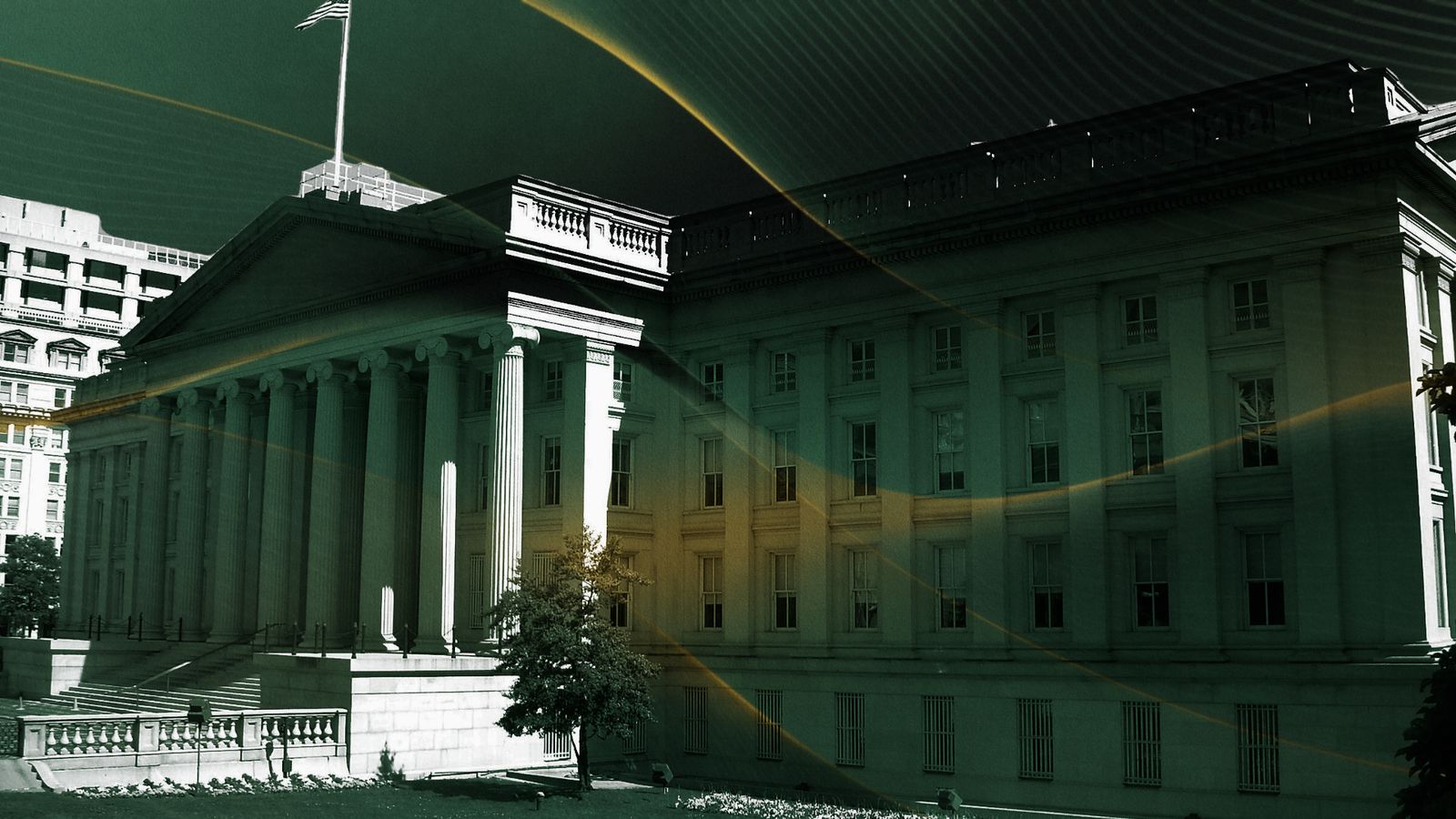
Treasury Withdraws Crypto‑Mixing Rule, Citing Concerns Over a ‘Chilling Effect’ on Legitimate Activity
The U.S. Treasury Department’s Financial Crimes Enforcement Network (FinCEN) has pulled back a proposal that would have classified crypto‑mixing services as a primary money‑laundering concern under the PATRIOT Act. The decision follows a growing debate over how best to regulate the rapidly evolving cryptocurrency ecosystem while protecting legitimate users and businesses.
Why the Rule Was Proposed in the First Place
Crypto‑mixing, or tumblers, are services that obscure the origin of digital assets by blending them with others. While they can be used for privacy‑enhancing purposes, regulators have long viewed them as a potential tool for illicit actors to launder money. In 2024, FinCEN released a draft guidance that would have required mixers to register as money services businesses (MSBs) and comply with stringent anti‑money‑laundering (AML) obligations.
The proposal aimed to close a regulatory gap that many argued left mixers operating with minimal oversight. By treating them as primary money‑laundering concerns, FinCEN intended to bring mixers under the same scrutiny as traditional financial institutions.
The Treasury’s Reversal
On October 5, 2026, FinCEN announced it would withdraw the rule, citing concerns that the regulation could have a chilling effect on legitimate activity. Treasury officials argued that the blanket classification might stifle innovation in privacy‑focused blockchain projects and discourage the development of new, compliant mixing solutions.
The decision was not a retreat from AML enforcement but a recalibration. Treasury officials emphasized that the agency would continue to monitor mixers and other crypto services through existing regulatory frameworks, such as the Money Laundering Control Act and Bank Secrecy Act provisions that already apply to virtual‑currency exchanges.
Implications for the Crypto Community
1. Privacy‑Focused Projects Gain a Breather
Privacy‑enhancing technologies (PETs) have long struggled to balance regulatory compliance with user anonymity. The withdrawal of the mixing rule provides a reprieve for developers of privacy‑oriented wallets and protocols, allowing them to innovate without the looming threat of heavy regulatory burdens.
2. Regulatory Focus Shifts to Risk‑Based Oversight
FinCEN’s approach now leans toward a risk‑based model, where regulators assess the specific activities of crypto service providers rather than applying a one‑size‑fits‑all classification. This shift could lead to more nuanced guidance that targets high‑risk behaviors while leaving low‑risk services less encumbered.
3. Market Confidence and Investor Sentiment
The announcement may bolster confidence among institutional investors who had expressed concerns about regulatory uncertainty. By avoiding a blanket rule that could hamper legitimate services, Treasury signals a willingness to engage with the industry constructively.
What’s Next for FinCEN and the Crypto Landscape?
FinCEN plans to release a revised guidance document that clarifies its expectations for mixers and other privacy‑related services. The agency will also collaborate with industry stakeholders to develop best‑practice frameworks that balance AML compliance with innovation.
Meanwhile, crypto exchanges and wallet providers will likely adjust their compliance programs to align with the updated regulatory expectations. The industry may also see an uptick in the development of self‑hosted mixing solutions that offer users greater control while remaining within the bounds of the law.
Bottom Line
The Treasury’s decision to withdraw the crypto‑mixing rule reflects a broader trend toward regulatory flexibility in the digital‑asset space. By focusing on risk rather than blanket classifications, FinCEN aims to protect legitimate users and businesses while still curbing illicit activity.
---
TL;DR: FinCEN has dropped its proposed rule that would have classified crypto mixers as primary money‑laundering concerns, citing concerns that it would unduly hinder legitimate privacy‑enhancing services, and will instead pursue a risk‑based regulatory approach.
Source
Read original sourceWhy we picked this
CFTC rulemaking on leveraged retail crypto trading—core regulatory development.