Tokenized commodities look beyond gold as lending and oil open new markets
Tokenized commodities are moving beyond gold into silver lending and oil tokens, unlocking new financing and market opportunities despite custody and risk challenges.
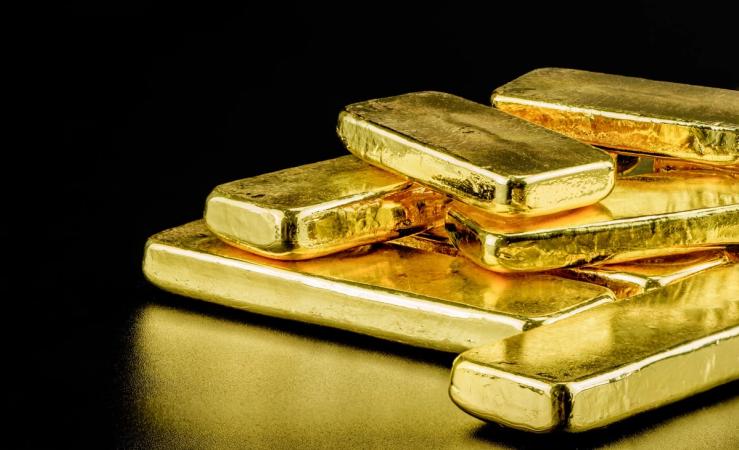
Tokenized Commodities Expand Beyond Gold
Tokenized commodities—digital tokens that represent ownership of physical assets—are entering a new growth phase. While gold‑backed tokens still dominate the market, executives at Paxos Labs, Theo and Energy Substantiation (EnSub) see silver lending and oil tokenization as the next frontiers for unlocking liquidity, financing inventory, and broadening investor access.
From Gold to Silver: Lending as a Growth Engine
Gold remains the flagship asset for tokenization. Paxos’s PAXGy token, backed by PAX Gold, is already being used to fund institutional borrowers, with the promise that token holders could redeem more gold as loan repayments are made. The appeal is clear: investors gain price exposure while potentially earning a yield from the underlying loan portfolio.
Silver offers a natural extension. Theo’s thSLVR token channels income from institutional silver leases to token holders, preserving price exposure while delivering cash flow. The metal’s industrial demand and established leasing market make it a logical “second‑most‑important” commodity after gold. Industry insiders anticipate a market worth tens of billions of dollars within five years, expanding to over $100 billion in a decade as tokenized silver becomes a mainstream financing tool for refiners, treasuries, and commodity owners.
Oil Tokens: A Tougher Test of Logistics and Custody
Energy assets present a more complex challenge. EnSub’s WTIC token, now issued on both Ethereum and Solana, represents a barrel of West Texas Intermediate crude backed by verified physical inventory. The company is also developing natural‑gas and Brent tokens.
The potential use cases are compelling: energy buyers can hedge costs, investors can gain exposure to oil price movements, and producers can unlock working‑capital by tokenizing inventory. However, the continuous movement of oil, storage constraints, and the need for robust custody solutions mean that scaling oil tokens will require reliable, verifiable supply‑chain infrastructure.
Hurdles to Widespread Adoption
- Custody and Verification – Physical assets must be securely stored and independently audited to maintain token credibility. Any lapse can erode trust and trigger regulatory scrutiny.
- Borrower Risk – Lending‑linked tokens expose holders to default risk. Robust credit‑assessment frameworks and insurance mechanisms will be essential to protect token value.
- Regulatory Landscape – As tokenized commodities blur the line between securities, commodities and digital assets, clear guidance from regulators will shape market participation and cross‑border flows.
- Infrastructure Integration – Seamless settlement between blockchain platforms and traditional commodity markets is needed to ensure that token transactions translate into real‑world delivery or financing.
Outlook: A More Integrated Commodity Ecosystem
If these challenges are addressed, tokenized commodities could evolve from a niche gold‑tracking market—valued at roughly $5.5 billion in early 2026—into a diversified ecosystem that supports financing, hedging, and investment across metals and energy. The next decade may see tokenized assets embedded in everyday commodity settlement processes, offering investors granular exposure and businesses a new source of liquidity.
---
The expansion of tokenized commodities beyond gold signals a broader shift toward digital‑first financing of real‑world assets. By bridging blockchain efficiency with physical‑asset custody, the sector could unlock new capital streams for both investors and commodity producers, provided that risk, custody, and regulatory frameworks keep pace.
Source
Read original sourceWhy we picked this
Covers tokenized commodity projects and market expansion with named participants.