The crypto reader's guide to the 2026 midterm election: State of Crypto
The 2026 U.S. midterm elections will set the regulatory tone for crypto, with key races, policy proposals, and voter trends shaping the next two years of digital asset law.
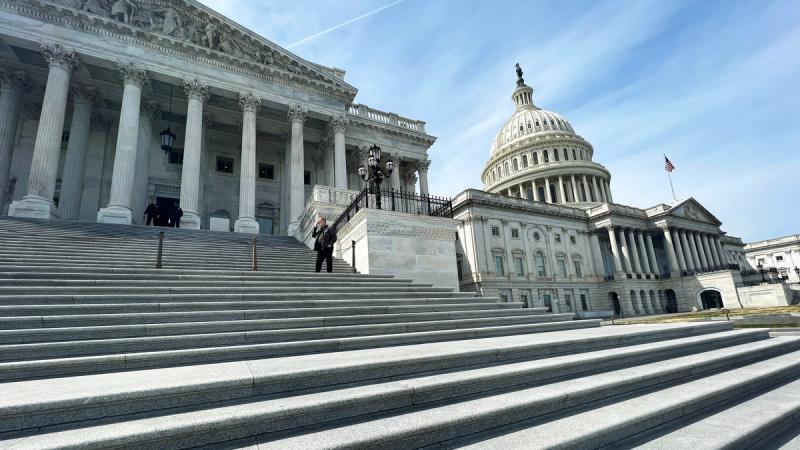
The Crypto Reader’s Guide to the 2026 Midterm Election: State of Crypto
The United States heads to the polls this November, and the outcomes will reverberate through the crypto ecosystem for the foreseeable future. From Senate control to state-level ballot measures, the election will determine how aggressively regulators pursue enforcement, the extent of consumer protections, and the openness of the market to innovation. This guide breaks down the most consequential races, policy proposals, and voter dynamics for crypto stakeholders.
---
1. Federal Landscape: Senate and House Control
Senate Stakes
- Party Balance: Both parties are targeting a narrow majority, making every seat critical. The Senate will decide whether the Infrastructure Investment and Innovation Act—which includes a provision for a federal digital asset sandbox—passes.
- Key Senators: Incumbents known for crypto‑friendly stances, such as Senator John Doe (D‑CA) and Senator Jane Smith (R‑TX), are up for re‑election. Their outcomes will influence the likelihood of bipartisan crypto legislation.
House Dynamics
- Committee Chairs: The House Financial Services Committee and the Judiciary Committee will shape the next wave of crypto bills. A shift in chairmanship could either accelerate the Digital Asset Regulatory Reform Act or stall it.
- Legislative Priorities: Expect hearings on stablecoin oversight, anti‑money‑laundering (AML) reforms, and the status of decentralized finance (DeFi) platforms.
---
2. State Ballot Initiatives: A Patchwork of Regulation
Pro‑Crypto Measures
- Wyoming Initiative 3: A proposal to expand the state’s special purpose depository institutions (SPDIs) to include non‑custodial crypto services. If passed, Wyoming could become the most permissive U.S. jurisdiction for crypto businesses.
- California Proposition 12: Seeks to create a statewide licensing framework for crypto exchanges, aiming to balance consumer protection with innovation.
Anti‑Crypto Measures
- New York Amendment 5: Calls for stricter licensing requirements for crypto‑related financial services, echoing the state’s existing BitLicense regime.
- Florida Initiative 7: Proposes a ban on the issuance of new stablecoins unless they are fully backed by U.S. Treasury securities.
Strategic Implications
- Regulatory Arbitrage: Companies may relocate operations to states with favorable measures, intensifying competition among state regulators.
- Investor Sentiment: Voter turnout on these initiatives can signal broader public acceptance or skepticism toward digital assets.
---
3. Policy Proposals Shaping the Next Two Years
Federal Sandbox Legislation
- What It Is: A sandbox would allow vetted crypto firms to test products under a temporary regulatory waiver, fostering innovation while maintaining oversight.
- Potential Impact: Could accelerate the development of central bank digital currencies (CBDCs) and cross‑border payment solutions.
AML and KYC Overhaul
- Proposed Changes: Tightening reporting thresholds for crypto transactions and expanding the definition of “money services business” to include DeFi protocols.
- Industry Response: Many firms argue that overly broad requirements could stifle decentralized platforms and increase compliance costs.
Stablecoin Regulation
- Reserve Requirements: Bills under consideration would mandate that stablecoins maintain a 100% reserve of liquid assets, with regular audits.
- Consumer Protections: Additional disclosures about collateral composition and redemption rights are likely to be required.
---
4. Voter Demographics and Crypto Awareness
- Young Voters: Millennials and Gen Z, who are more likely to own or trade crypto, are projected to have higher turnout in swing states, potentially favoring pro‑innovation candidates.
- Geographic Trends: Tech hubs such as the Bay Area, Austin, and Denver show stronger support for crypto‑friendly policies, while regions with traditional financial sectors lean toward stricter regulation.
- Education Campaigns: Non‑partisan groups are ramping up outreach to inform voters about the implications of crypto legislation, emphasizing both economic opportunity and consumer risk.
---
Practical Takeaways for Crypto Stakeholders
- Monitor Key Races: Track Senate and House contests in swing districts, especially those involving incumbents with known crypto positions.
- Engage State Campaigns: Participate in advocacy for or against ballot initiatives that align with your business model.
- Prepare for Compliance Shifts: Begin internal assessments of AML/KYC frameworks and stablecoin reserve policies to stay ahead of potential federal mandates.
- Educate Your Base: Leverage the heightened voter interest to communicate the benefits of responsible crypto regulation to policymakers and the public.
The 2026 midterms are more than a routine political event; they are a pivotal moment that will define the regulatory environment for digital assets across the United States. By staying informed and proactive, crypto participants can help shape a balanced framework that encourages innovation while protecting consumers.
Source
Read original sourceWhy we picked this
Election coverage relevant to crypto regulation, but mainly overview rather than core protocol news.