Tether tapped by Kazakhstan’s central bank to explore stablecoin and tokenization
Kazakhstan’s central bank is exploring a tenge‑pegged stablecoin and asset tokenization with Tether, planning a pilot in Alatau City to test digital‑asset use cases under regulatory oversight.
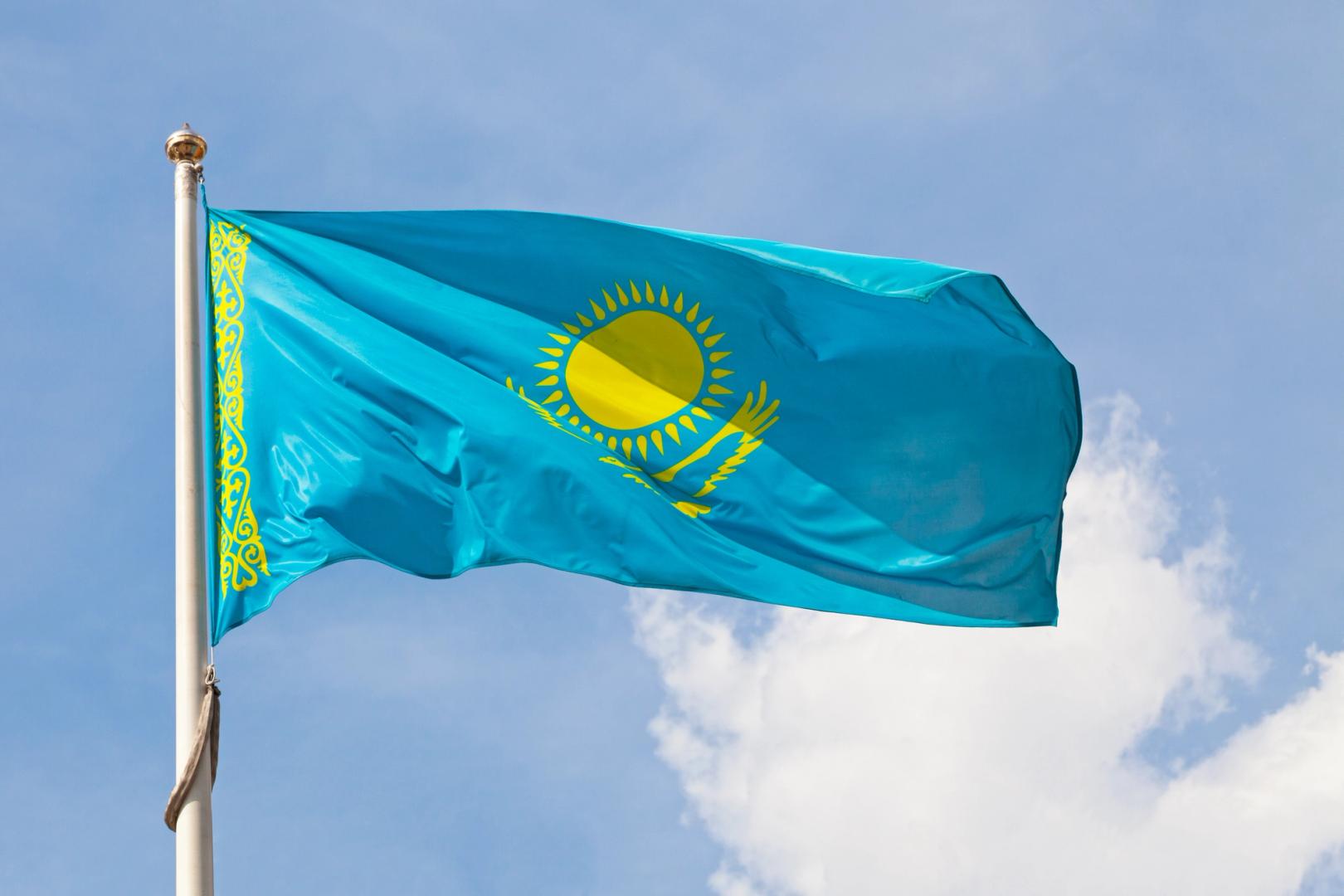
Kazakhstan’s Central Bank Teams Up With Tether to Explore Stablecoin and Tokenization
The National Bank of Kazakhstan (NBK) has entered a memorandum of understanding with Tether, the issuer of the world’s largest U.S. dollar‑backed stablecoin (USDT), to investigate a local‑currency‑linked stablecoin and the tokenization of real‑world assets. The partnership, announced on October 7 2026, is exploratory and does not commit Kazakhstan to issuing a stablecoin or adopting a specific technology, but it signals a growing interest in digital‑asset infrastructure within the country.
Why a Kazakhstani Stablecoin?
Kazakhstan’s economy is heavily tied to the global commodities market, and the tenge has historically been volatile. A stablecoin pegged to the tenge could provide a more predictable medium of exchange for cross‑border trade, reduce settlement costs, and offer a digital alternative to cash for domestic transactions. The NBK is looking to study how other jurisdictions have implemented similar tokens, assess regulatory and operational requirements, and develop a proposal for a pilot program.
The memorandum also outlines a framework for tokenizing real‑world assets. Tokenization turns physical or financial assets—such as bonds, real estate, or commodities—into digital tokens that can be transferred, traded, or used as collateral on a blockchain. By creating a pilot in Alatau City, which operates under a special legal regime designed to foster fintech innovation, the NBK hopes to test the feasibility of these technologies in a controlled environment.
Tether’s Role and the Hadron Platform
Tether brings to the table its extensive experience in stablecoin issuance and its Hadron tokenization platform. Hadron provides the infrastructure for creating, managing, and settling tokenized assets, and it has already been used to issue tokenized gold (XAUT) and other commodities. While the agreement does not obligate Kazakhstan to adopt Hadron, it opens the door for the NBK to evaluate the platform’s suitability for local use cases.
The partnership will also include workshops for central‑bank staff and other government agencies on stablecoin reserves, issuance protocols, and tokenization best practices. These educational sessions aim to build internal expertise and ensure that any future digital‑asset initiatives are grounded in robust regulatory and technical foundations.
Potential Use Cases and Pilot Scope
- Digital Payments – A tenge‑pegged stablecoin could streamline domestic payments, especially for small and medium‑sized enterprises that currently rely on cash or slower banking channels.
- Cross‑border Trade – By reducing currency conversion friction, the stablecoin could lower transaction costs for exporters and importers dealing with foreign currencies.
- Asset Tokenization – Real‑estate, infrastructure, and commodity assets could be tokenized to increase liquidity, enable fractional ownership, and improve transparency.
- Decentralized Finance (DeFi) – The pilot could explore lending, borrowing, and yield‑generation mechanisms that use tokenized assets as collateral.
The Alatau City pilot will serve as a sandbox to test these use cases, monitor compliance with local and international regulations, and gather data on user adoption and operational performance.
Regulatory and Market Implications
Kazakhstan’s decision to engage with Tether reflects a broader trend of central banks exploring digital‑asset solutions while maintaining regulatory oversight. The NBK’s approach—studying best practices, conducting workshops, and piloting in a special legal zone—provides a balanced framework that could serve as a model for other emerging‑market central banks.
If successful, a Kazakhstani stablecoin could enhance financial inclusion, attract foreign investment, and position the country as a regional fintech hub. However, challenges remain: ensuring adequate reserves, preventing money‑laundering risks, and integrating with existing banking infrastructure.
Looking Ahead
The memorandum is a first step; the NBK has not yet announced a timeline for a pilot launch. Stakeholders will need to monitor how the partnership evolves, particularly how Tether’s Hadron platform is evaluated and whether the pilot expands beyond Alatau City. The outcome could influence how other central banks in the region approach stablecoins and tokenization.
In the coming months, the NBK and Tether will likely publish detailed findings on reserve requirements, legal frameworks, and technical specifications. These documents will be crucial for policymakers, financial institutions, and investors who are watching Kazakhstan’s experiment with digital currency and asset tokenization.
---
TL;DR: Kazakhstan’s central bank has partnered with Tether to study a tenge‑pegged stablecoin and tokenize real‑world assets, launching a pilot in Alatau City to test digital‑asset use cases while maintaining regulatory oversight.
Source
Read original sourceWhy we picked this
Tether stablecoin partnership with central bank is major institutional market structure.