Senate's top Democratic investigator looking into Tether payments to Bo Hines' firm
Senate Democrat Richard Blumenthal is probing Tether’s payments to Bo Hines’s consulting firm Nxum amid concerns over potential conflicts of interest.
Introduction
Senate Judiciary Committee’s top Democratic investigator, Senator Richard Blumenthal, has added another line of inquiry to his growing portfolio of crypto investigations. The focus this time is on payments made by Tether, the stablecoin issuer, to Nxum Group, a consulting firm co‑founded by former White House crypto adviser Bo Hines. The probe raises questions about possible conflicts of interest and the adequacy of disclosures when a former government official moves into a senior role at a major crypto firm.
Background on the parties involved
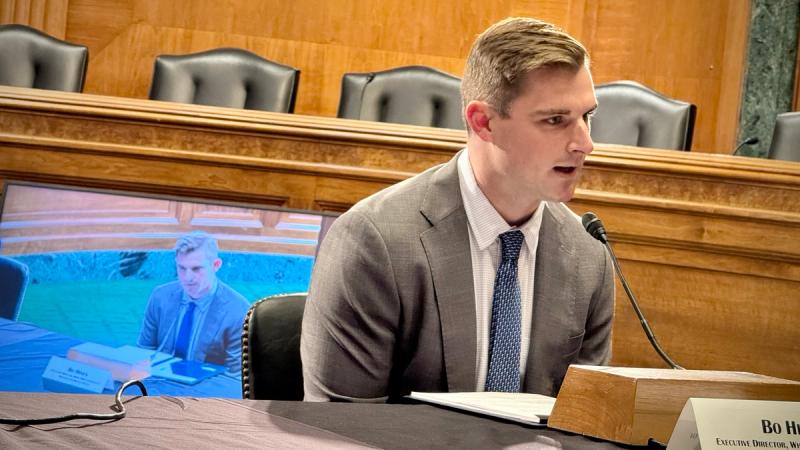
- Bo Hines – Served as a senior adviser on cryptocurrency policy in the Trump administration. After leaving the White House, he became the head of Tether’s U.S. operations and retained an ownership stake in Nxum, a firm that provides consulting and political‑advertising services.
- Nxum Group – A consulting company founded by Hines, his father, and a partner. The firm has limited public track record in political consulting but has reportedly earned sizable fees for work tied to Tether’s interests.
- Senator Richard Blumenthal – Ranking Democrat on the Senate Permanent Subcommittee on Investigations. He has previously issued reports on Tether’s ties to Iran and its relationship with Cantor Fitzgerald, and he has been vocal about broader crypto‑related risks.
The catalyst for the investigation
The Wall Street Journal published a report indicating that Nxum received “large payments” from Tether while Hines was still advising the White House on stablecoin policy. Blumenthal’s office responded by sending formal letters to both Tether’s CEO, Paolo Ardoino, and to Nxum, requesting detailed information about the nature of the consulting agreements, the services rendered, and the justification for the payments.
Key points highlighted in the senator’s correspondence include:
- Unusual contract terms – The letters describe the payment structure as “highly unusual,” suggesting that the arrangement may not reflect a standard market transaction.
- Potential ethical breach – Because Hines was simultaneously shaping policy that directly affected Tether’s business, the payments could be perceived as a conflict of interest or even an improper benefit.
- Legal concerns – Blumenthal’s language hints at possible violations of federal ethics rules that prohibit government officials from receiving compensation from entities with a direct stake in pending legislation.
Tether’s response and the broader context
Tether issued a brief statement confirming that it is aware of the allegations and that an external law firm previously conducted an internal investigation, which found “no evidence of wrongdoing.” The company has not provided additional details to the Senate subcommittee at this stage.
The investigation fits within a larger pattern of heightened scrutiny of stablecoin issuers and their political connections. Blumenthal has previously:
- Published a report linking Tether’s financial flows to sanctioned jurisdictions.
- Questioned Tether’s partnership with Cantor Fitzgerald, a major U.S. financial intermediary.
- Highlighted the role of crypto‑related political action committees (PACs) in influencing policy.
These actions reflect growing legislative interest in ensuring that crypto firms operate transparently and do not leverage former officials to gain regulatory advantages.
What to watch next
- Document requests and testimony – The subcommittee may issue subpoenas for contracts, invoices, and communications between Tether and Nxum. Hines could be called to testify about the timing and scope of the consulting work.
- Potential policy implications – If the investigation uncovers evidence of improper influence, it could spur new ethics guidelines for former government officials transitioning to the crypto sector.
- Market reaction – While Tether’s stablecoin remains widely used, any perception of regulatory risk can affect investor confidence and may prompt other firms to reassess their own compliance frameworks.
Conclusion
Senator Blumenthal’s latest probe underscores the intersection of cryptocurrency, politics, and regulatory oversight. By examining the payments to Bo Hines’s firm, the Senate aims to clarify whether former officials are leveraging their government experience for private gain in ways that could undermine public trust. The outcome of this investigation will likely shape how crypto companies manage relationships with ex‑government personnel and could set precedents for future oversight of the rapidly evolving digital‑asset industry.
Source
Read original sourceWhy we picked this
Senate investigation into Tether payments is a major regulatory action affecting stablecoins.