Rep. Don Davis Bill Would Fine Candidates at Least $10,000 for Trading on Their Own Races
Rep. Don Davis’s bill would fine federal candidates (and their families and committees) at least $10,000 for trading on their own races, extending Kalshi’s existing ban and aiming to preserve election integrity.
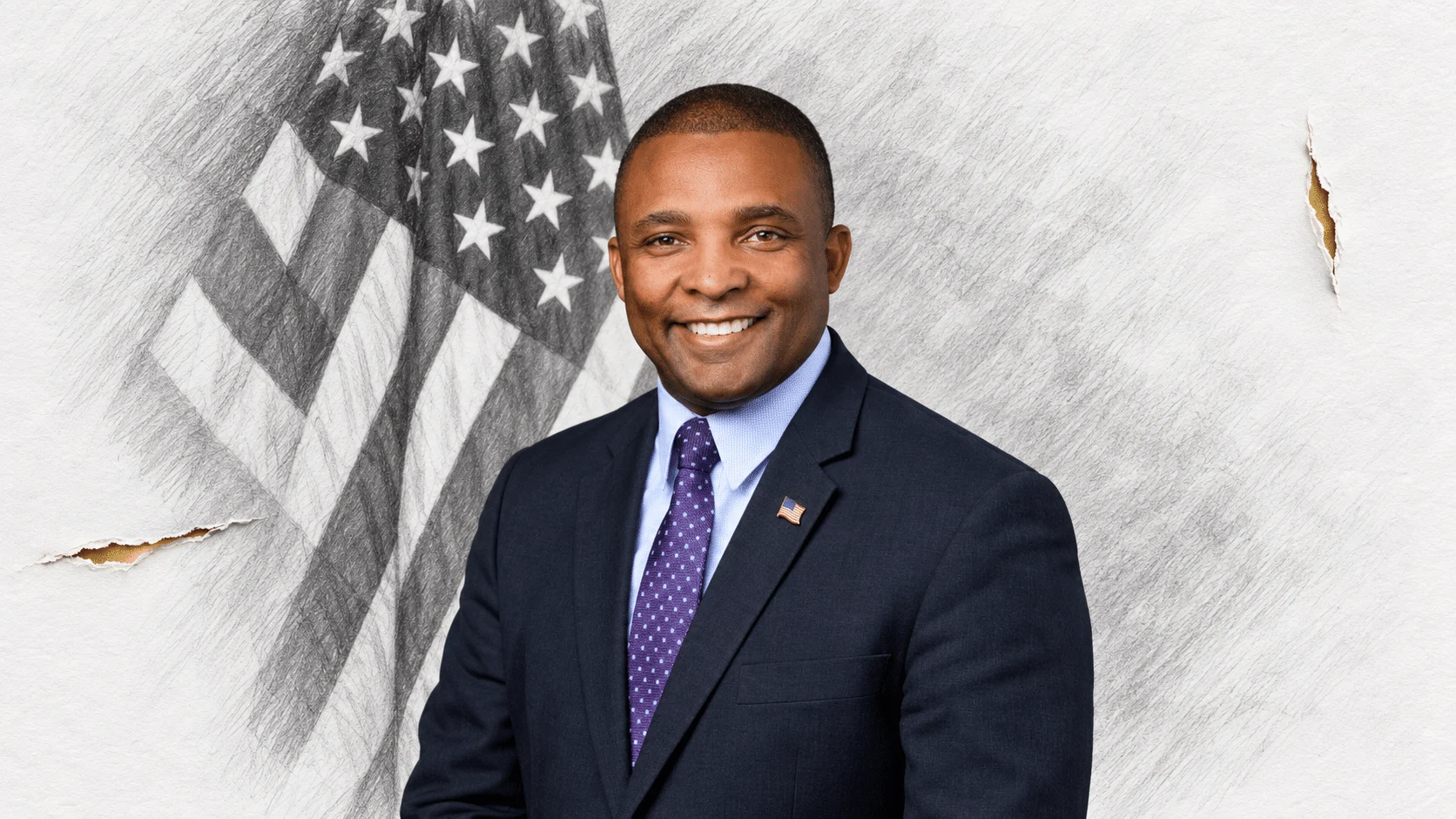
Don Davis’s “No Betting on Your Own Race” Bill: What It Means for Candidates and the Market
North Carolina Representative Don Davis has just introduced the No Betting on Your Own Race Act, a federal law that would fine anyone who trades—or even holds a position—in a prediction market that depends on the outcome of their own election. The bill, filed during a pro‑forma House session, would impose a penalty of the greater of $10,000 or three times the net gain from the trade. It also extends to a candidate’s spouse, children, and authorized campaign committee.
Why the Bill Was Introduced
The legislation follows a recent incident in which Kalshi, a regulated prediction‑market exchange, fined and suspended Republican opponent Laurie Buckhout for buying contracts on her own race. Buckhout’s $2,589.96 fine and three‑year ban were the result of Kalshi’s rule that “candidates are barred from trading on outcomes they can influence.” Davis, who represents North Carolina’s 1st Congressional District, used the episode to argue that federal candidates should be held to the same standard.
“We don’t want our athletes to bet on their games. A candidate running for federal elected office should be treated exactly the same and should not be allowed to trade on their own election.” – Rep. Don Davis
The bill is timely: the House is expected to vote on it only after the November midterms, giving candidates a clear window to adjust their campaign strategies.
Who Gets Fined?
The scope of the ban is broad:
- Candidates – anyone who is a federal candidate, whether running for the House, Senate, or President.
- Spouses and Children – any immediate family member who trades on the candidate’s race.
- Campaign Committees – the candidate’s authorized committee, which could be used to funnel trades.
The law covers any market whose payout depends on:
- Primary, caucus, convention, or nomination contests.
- Whether the candidate enters or stays in a race.
- Vote share, margin, or placement.
Even indirect involvement—such as directing or funding another person’s position—falls under the ban. If a candidate already holds a contract when they file for office, they must unwind it within the platform’s minimum divestment window.
Who Is Exempt?
Trading platforms and brokers are not penalized. They are shielded from liability if they act in good faith, such as closing accounts, voiding trades, or reporting suspected violations to the Commodity Futures Trading Commission (CFTC), the Attorney General, or the Federal Election Commission (FEC). The FEC would be required to publish a free, machine‑readable list of federal candidates—updated at least weekly—and ensure each candidate is informed of the ban when they file.
Practical Implications for Campaigns
- Compliance Checks – Campaigns must audit all family members and committee members for potential market exposure.
- Education – Candidates need to understand the fine structure: the greater of $10,000 or three times the net gain.
- Reporting – Firms that facilitate trades should establish robust reporting mechanisms to the FEC and other regulators.
- Timing – The rules take effect the day the bill becomes law, so any trades made before that date are still subject to the penalty.
The bill’s timing—just weeks after Kalshi’s action—signals a growing regulatory focus on the intersection of politics and prediction markets. While the House is unlikely to act before the midterms, the legislation sets a clear precedent that could influence future campaign finance enforcement.
Bottom Line
Rep. Don Davis’s bill is a direct response to a high‑profile Kalshi penalty and aims to close a loophole that lets candidates profit from insider knowledge of their own races. By imposing a substantial fine and extending coverage to families and committees, the law seeks to preserve the integrity of federal elections and prevent conflicts of interest in the burgeoning world of prediction markets.
---
TL;DR: Rep. Don Davis’s bill would fine federal candidates (and their families and committees) at least $10,000 for trading on their own races, extending Kalshi’s existing ban and aiming to preserve election integrity.
Source
Read original sourceWhy we picked this
Coinbase Pro relaunch and Deribit integration is a notable product launch with verifiable details.