Rain is seeking a national trust bank charter to bypass third-party banks
Rain seeks an OCC trust‑bank charter to custody digital assets and manage stable‑coin reserves, aiming to bypass third‑party banks amid regulatory debate.
Rain’s Bid for a National Trust Bank Charter: What It Means for the Stablecoin Ecosystem
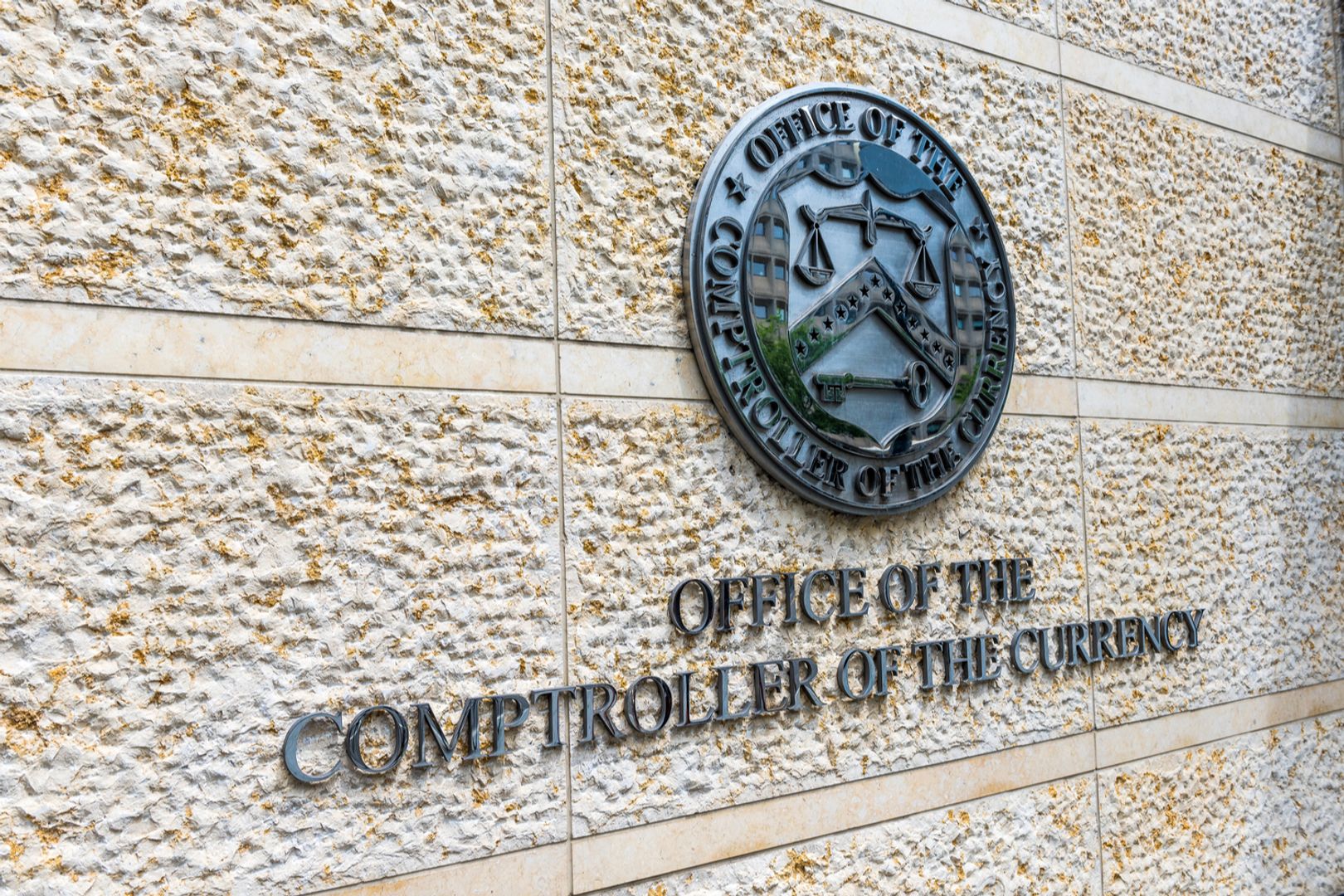
Rain, the stable‑coin payments company behind the popular Rain token, has filed an application with the Office of the Comptroller of the Currency (OCC) to establish a national trust bank in New York. The proposed bank would provide fiduciary custody of digital assets and U.S. dollars, manage reserves for approved stable‑coin issuers, and handle issuance and redemption of dollar‑backed tokens for institutional clients. Unlike a traditional bank, the trust would not accept deposits, offer consumer accounts, or hold FDIC insurance. Instead, client assets would be segregated from the bank’s own holdings.
Why a Trust Bank?
A national trust bank is a limited‑purpose institution that can offer custody and fiduciary services without the full suite of commercial banking powers. For a crypto‑focused firm, this structure offers several advantages:
- Regulatory clarity – The OCC charter places the bank under federal oversight, providing a clear legal framework for custody and stable‑coin operations.
- Reduced reliance on third parties – By holding and managing reserves internally, Rain can avoid the operational and compliance burdens of partnering with traditional custodians or payment processors.
- Institutional appeal – Many institutional investors prefer a regulated custodian that can guarantee segregation and transparency of their digital‑asset holdings.
The move follows a wave of similar applications from Circle, Ripple, BitGo, and Fidelity, all of which received initial OCC approvals in December. Circle’s final approval to operate its own federal trust bank in late July set a precedent that Rain is now following.
Regulatory and Industry Pushback
The OCC’s authority to grant trust charters to crypto firms that do not provide conventional banking services has come under scrutiny. The Independent Community Bankers of America (ICBA) recently sued the OCC, arguing that the agency lacks the power to issue such charters and that the arrangement effectively gives crypto companies banking privileges without the corresponding obligations.
Critics also point to the potential for regulatory arbitrage. Because a trust bank does not accept deposits or make loans, it is exempt from many of the capital and liquidity requirements that apply to commercial banks. This could create a perception that crypto‑centric institutions are operating in a regulatory gray area.
What the Charter Would Enable
If approved, Rain’s national trust bank would:
- Custody digital assets and U.S. dollars – Providing secure, segregated storage for institutional clients.
- Manage stable‑coin reserves – Overseeing the backing of dollar‑backed tokens, ensuring that reserves are properly pledged or lent.
- Issue and redeem tokens – Allowing clients to mint or redeem stable‑coins on a per‑transaction basis, streamlining liquidity flows.
- Offer fiduciary services – Acting as a trusted third party for asset management and settlement.
Because the bank would not accept deposits or offer consumer accounts, it would not be subject to FDIC insurance or the same consumer protection regulations that govern traditional banks. However, the OCC’s oversight would still impose stringent reporting and compliance requirements.
The Road Ahead
Rain’s application is still in the review phase and will undergo a public‑comment period. The outcome will likely influence the broader debate over how crypto firms should be regulated in the United States. A successful charter could pave the way for more limited‑purpose banks that blend the flexibility of fintech with the oversight of traditional banking.
For institutional investors, the prospect of a regulated custodian that can manage stable‑coin reserves directly is attractive. For regulators, the challenge will be balancing innovation with consumer protection and systemic risk mitigation.
Bottom Line
Rain’s pursuit of a national trust bank charter represents a strategic effort to bring stable‑coin custody and issuance under federal supervision while sidestepping the need for third‑party banks. The move could signal a shift toward more regulated, institution‑friendly infrastructure in the crypto space, but it also raises questions about the scope of OCC authority and the potential for regulatory gaps.
---
TL;DR: Rain is applying for an OCC national trust bank charter to custody digital assets and manage stable‑coin reserves, aiming to bypass third‑party banks while facing regulatory scrutiny over the scope of such charters.
Source
Read original sourceWhy we picked this
Official regulatory filing for a national trust bank charter affecting stablecoin custody and issuance.