Once-largest Ethereum NFT marketplace Blur is shutting down after volumes collapse 99%
Blur, once the leading Ethereum NFT marketplace, is shutting its website on Nov 12 after trading volume collapsed by over 99% from its 2023 peak.
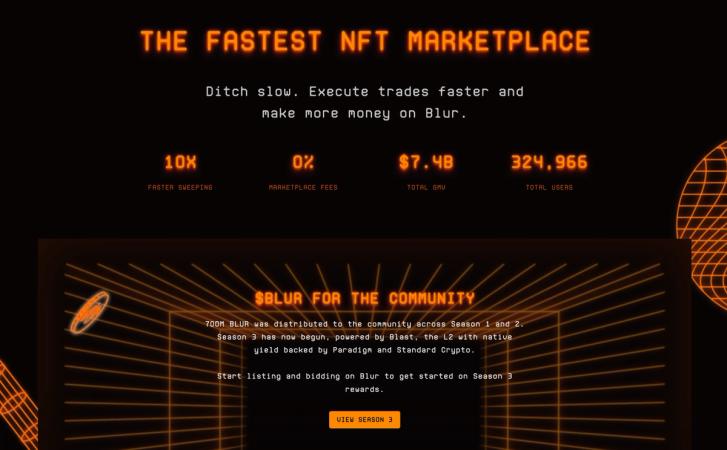
Blur’s Sudden Exit from the NFT Scene
The Ethereum‑focused NFT platform Blur announced it will close its public marketplace on November 12, 2026. The decision comes after a dramatic plunge in activity: monthly trading volume fell from roughly $1.43 billion at its March 2023 peak to under $7 million in March 2026 – a drop of more than 99.5%. While the website and its Blend lending service will cease operations, the underlying smart contracts will remain on‑chain, preserving the ability for users to withdraw assets and for token holders to vote on future fee structures.
---
Why Blur’s Model Faltered
Blur launched in 2022 with a clear value proposition for professional traders: ultra‑fast transaction processing, zero marketplace fees, and token‑based incentives. These features helped it wrestle market share from OpenSea, capturing over 70 % of Ethereum NFT volume in early 2023. However, the fee‑free model meant the protocol generated virtually no revenue despite billions of dollars in trade flow. Token Terminal records zero protocol revenue over the past three years, and the platform’s aggressive reward programs attracted criticism for encouraging speculative flipping and pressuring creator royalties.
The lack of a sustainable income stream left Blur vulnerable when the broader NFT market cooled. As trading interest waned, the incentive‑driven traffic evaporated, and the platform could not offset operating costs. Unlike its sister project Blast, which cited unsustainable operating expenses, Blur has not publicly linked the shutdown to specific losses, but the volume collapse alone makes continued operation untenable.
---
What Happens Next for Users?
- Marketplace Closure: The website will become inaccessible after Nov 12. Existing listings will no longer be visible, and no new trades can be executed.
- Blend Lending Service: No new loans will be originated. Borrowers must repay or allow defaults by the shutdown date. Blur will provide a separate tool for users to withdraw any remaining collateral.
- Smart Contracts: The on‑chain contracts stay active, allowing token holders to continue voting on the fee switch and enabling users to pull assets directly from the blockchain.
- BLUR Token: The token price fell more than 20 % following the announcement, trading around $0.015. Holders retain governance rights, but the market outlook is uncertain.
---
Lessons for the NFT Marketplace Landscape
Blur’s rise and fall illustrate the risks of growth strategies built on token incentives without a clear path to profitability. While zero‑fee trading can attract volume quickly, it also removes a primary revenue source that most exchanges rely on for sustainability. The episode also underscores the volatility of the NFT market: a platform can dominate in a single year and become obsolete within a few, especially when broader investor sentiment shifts.
For creators and traders, the key takeaway is to diversify exposure across multiple platforms and to monitor the underlying economics of any marketplace they rely on. As the NFT ecosystem matures, we may see a convergence toward models that balance user incentives with realistic revenue mechanisms.
---
Closing Thoughts
Blur’s shutdown marks the end of a brief but impactful chapter in Ethereum’s NFT history. The platform’s legacy will likely be remembered for its rapid ascent, its role in reshaping fee expectations, and the cautionary tale it leaves about the limits of incentive‑driven growth. Users now face the practical task of winding down positions, while the broader market watches to see how other projects adapt to the lessons Blur has highlighted.
Source
Read original sourceWhy we picked this
Major NFT marketplace shutdown, concrete ecosystem impact