New York AG secures up to $35 million and lifetime crypto ban from Celsius’ Alex Mashinsky
New York’s AG secured a $35 million penalty and lifetime ban for Celsius founder Alex Mashinsky, signaling tougher crypto regulation.
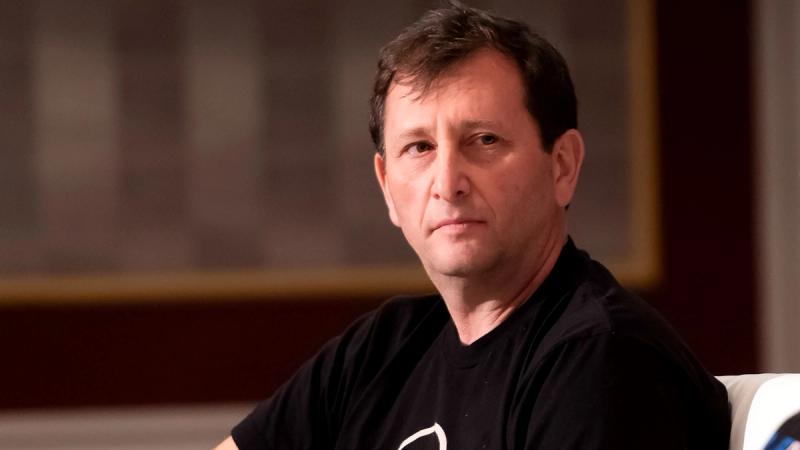
New York Attorney General Secures $35 Million and a Lifetime Ban for Celsius Founder Alex Mashinsky
In a landmark enforcement action, New York’s Attorney General Letitia James announced that former Celsius CEO Alex Mashinsky will pay up to $35 million and will be permanently barred from the securities, commodities, and cryptocurrency industries. The settlement follows a civil lawsuit alleging that Mashinsky misled hundreds of thousands of investors about the safety of their deposits at the now‑bankrupt crypto lender.
The Anatomy of the Settlement
The agreement is structured around three key components:
- Financial Penalty – Mashinsky must pay $25 million to New York unless he forfeits $10 million in ill‑gained proceeds to the federal government. A further $10 million is owed if he fails to serve his full 12‑year federal sentence.
- Lifetime Ban – He is prohibited from engaging in any securities, commodities, or cryptocurrency‑related activity, effectively ending his career in the financial sector.
- Restitution to Customers – The settlement is part of a broader effort to recover funds for Celsius customers and creditors, who have already received more than $3.4 billion through bankruptcy proceedings.
The civil case was filed in 2023 after the state alleged that Mashinsky promoted Celsius as a “bank‑like” safe haven while the company used customer deposits in high‑risk strategies and concealed losses. The lawsuit was a continuation of the federal criminal case that led to Mashinsky’s 12‑year prison sentence for securities and commodities fraud.
Why This Matters for the Crypto Ecosystem
1. Regulatory Clarity
The New York settlement sends a clear signal that state regulators are willing to pursue aggressive enforcement against crypto operators who misrepresent risk. It underscores that crypto firms cannot rely on the “new‑technology” defense to evade traditional securities and consumer‑protection laws.
2. Investor Confidence
With more than 26,000 New York residents implicated, the case highlights the importance of transparency and fiduciary responsibility in crypto lending. The restitution efforts and the lifetime ban aim to restore trust in the sector, showing that regulators will hold executives accountable.
3. Precedent for Future Actions
The structure of the settlement—combining civil penalties, criminal restitution, and industry bans—provides a template for future cases. Other states and federal agencies may adopt similar frameworks when addressing crypto fraud or mismanagement.
The Broader Context: Celsius’s Collapse
Celsius froze withdrawals in June 2022 and filed for bankruptcy a month later. The company’s assets were largely invested in volatile crypto assets, and the firm failed to maintain adequate reserves. The bankruptcy proceedings have already returned over $3.4 billion to creditors, but the settlement with Mashinsky adds a punitive layer that could deter future misconduct.
The case also dovetails with the Commodity Futures Trading Commission’s (CFTC) earlier decision to permanently bar Mashinsky from commodities activity. Together, these actions illustrate a coordinated regulatory push against individuals who exploit the nascent crypto market.
Practical Takeaways for Crypto Stakeholders
- Due Diligence Is Key – Investors should scrutinize the regulatory status of crypto platforms and verify that they comply with state and federal securities laws.
- Beware of “Bank‑Like” Claims – Claims that a crypto platform is as safe as a bank should be treated with skepticism unless backed by transparent reserves and regulatory oversight.
- Stay Informed on Enforcement Actions – Regulatory developments can rapidly change the risk profile of crypto products. Following state AGs and the CFTC can provide early warnings.
- Consider Legal Recourse – If you are a victim of crypto fraud, civil suits like this one can offer a path to restitution, especially when combined with bankruptcy proceedings.
Looking Ahead
The New York settlement marks a turning point for crypto regulation in the United States. While the industry continues to innovate, the enforcement landscape is becoming more rigorous. Stakeholders—whether investors, operators, or regulators—must adapt to a framework that prioritizes transparency, accountability, and consumer protection.
For Celsius, the $35 million penalty and lifetime ban may be the final chapter in a saga that began with promises of high yields and ended in a costly collapse. For the broader crypto community, it serves as a cautionary tale: the promise of rapid returns must be balanced against the need for robust regulatory compliance.
---
TL;DR: New York’s Attorney General secured a $35 million penalty and a lifetime ban for Celsius founder Alex Mashinsky, underscoring regulators’ willingness to enforce strict penalties for crypto fraud and setting a precedent for future enforcement actions.
Source
Read original sourceWhy we picked this
NY AG regulatory action on Celsius, core blockchain coverage.