NBA joins pro sports leagues on CFTC prediction markets bandwagon while NFL balks
The NBA has signed a data‑sharing pact with the CFTC and partnered with Kalshi and Polymarket, while the NFL has rejected similar arrangements, highlighting a split among major U.S. sports leagues over federal prediction‑market regulation.
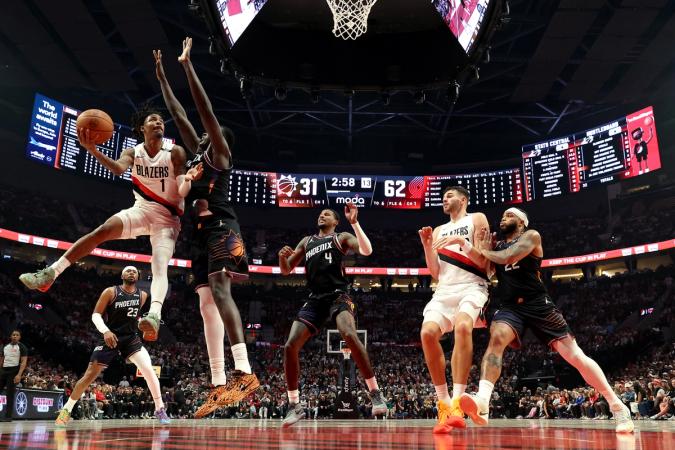
NBA Embraces CFTC‑Backed Prediction Markets
The National Basketball Association has become the latest U.S. professional sports league to formalize its relationship with the Commodity Futures Trading Commission (CFTC). In a memorandum of understanding, the NBA will share integrity‑related data with the regulator and cooperate on investigations of suspicious activity in prediction‑market contracts. Simultaneously, the league announced preferred‑partner status for two leading platforms, Kalshi and Polymarket, cementing a direct link between NBA events and federally regulated event‑contract exchanges.
Why the NBA Is Moving Forward
League officials argue that proactive collaboration with the CFTC helps safeguard the sport’s integrity as prediction markets expand. By setting clear rules—such as prohibiting players, coaches, and team staff from trading NBA event contracts—the NBA aims to prevent insider‑trading scenarios that could undermine fan confidence. The partnership also promises new fan‑engagement tools, allowing bettors to wager on simple yes‑or‑no outcomes (e.g., “Will the Lakers win on March 15?”) through regulated venues.
The NFL’s Contrasting Stance
In stark contrast, the National Football League has publicly opposed a similar CFTC agreement. The NFL’s filing to the U.S. Supreme Court argues that state gambling authorities provide more rigorous oversight than the federal regulator, which it characterizes as under‑resourced. By siding with states that claim jurisdiction over sports‑betting, the NFL signals a preference for a fragmented regulatory landscape rather than a unified federal framework.
Implications for the Sports‑Betting Ecosystem
- Regulatory Divergence: The split between the NBA and NFL may prompt other leagues to weigh the benefits of federal versus state oversight, potentially leading to a patchwork of compliance regimes.
- Market Confidence: The NBA’s data‑sharing agreement could reassure investors and bettors that prediction‑market platforms are operating under clear, enforceable standards, reducing the risk of manipulation.
- Fan Engagement: Access to regulated prediction markets may open new revenue streams for the NBA, from licensing fees to co‑branded betting products, while also offering fans novel ways to interact with games.
- Legal Landscape: Ongoing court battles over the scope of CFTC authority versus state gambling laws will shape how quickly additional leagues adopt—or reject—similar agreements.
Looking Ahead
As the CFTC continues to champion a national framework for event contracts, the NBA’s partnership with Kalshi and Polymarket positions it as a test case for how professional sports can integrate prediction markets responsibly. The NFL’s resistance underscores the broader debate over jurisdiction and consumer protection. Stakeholders—including regulators, betting platforms, and fans—should monitor how these divergent approaches influence market integrity, legal precedent, and the future of sports‑betting in the United States.
The evolving dynamics between leagues, regulators, and prediction‑market operators will likely determine whether federal oversight becomes the norm or remains a contested option in the years to come.
Source
Read original sourceWhy we picked this
CFTC prediction markets involving sports leagues are meaningful ecosystem news for blockchain-based derivatives