More than 60 U.S. stocks including Nvidia and Tesla are headed onchain. Here’s how it works
OKX and ICE are launching a 24/7 blockchain market for tokenized U.S. stocks, but corporate objections and regulatory uncertainty may limit its early adoption.
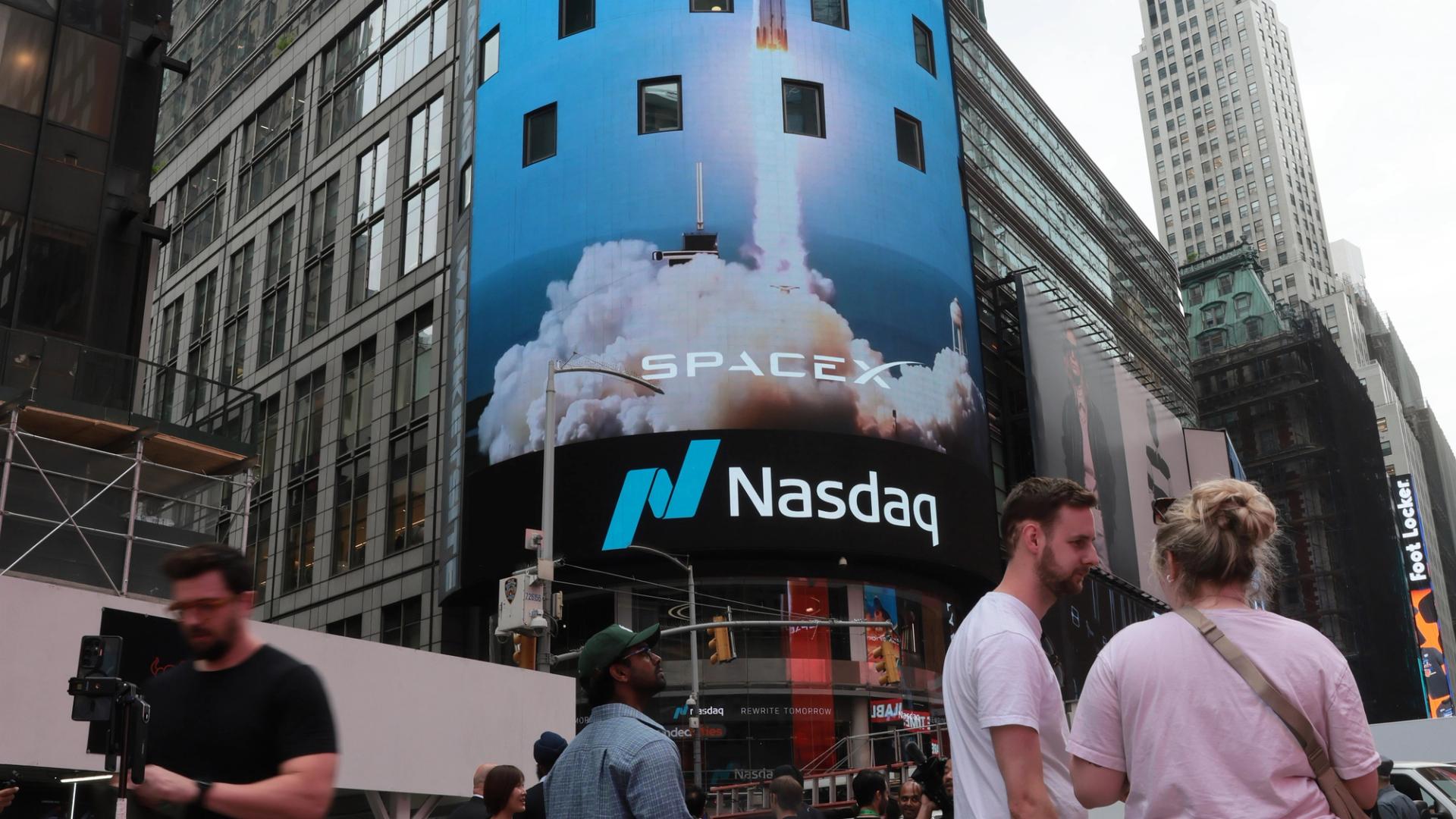
More than 60 U.S. Stocks Are Heading On‑Chain: How OKXICE Will Work
The crypto world is set to get a major boost when OKX, the popular exchange, partners with Intercontinental Exchange (ICE) – the owner of the New York Stock Exchange – to launch a 24/7 blockchain‑based market for tokenized U.S. equities. The joint venture, called OKXICE, has filed a regulatory disclosure that lists more than 60 securities, including tech giants Nvidia, Tesla, Apple, Microsoft, Amazon and Alphabet, as well as crypto‑linked names such as Coinbase and Circle.
What Is Tokenized Stock?
Think of a traditional share of a company, but represented by a digital token on a blockchain. Each token is backed one‑for‑one by a real share held in custody by a registered broker‑dealer. Token holders receive the same economic and shareholder rights as ordinary shareholders: dividends, voting, and the right to transfer ownership.
The key difference lies in how trades are executed. Instead of matching a buyer’s order with a seller’s order on an order book, OKXICE will use automated market makers (AMMs) – liquidity pools that hold both the tokenized stock and a stablecoin (USDC, USDT or USDG). When a trader buys a token, the pool’s balance shifts, and the price adjusts according to a mathematical rule or, in more sophisticated setups, by active market‑making firms.
24/7 Trading and Stablecoin Payments
One of the most striking features of OKXICE is its promise of continuous trading. While U.S. exchanges close at night and on weekends, the on‑chain venue will remain open, allowing investors to buy or sell tokenized Nvidia on a Sunday afternoon, for example. Prices will be determined by supply and demand within the AMM pools rather than by the last trade on a traditional exchange.
Payments will be made in stablecoins—cryptocurrencies pegged to the U.S. dollar. This eliminates the need for fiat currency conversion and reduces settlement friction, but it also means that traders must hold a stablecoin balance on the platform before they can trade.
How Liquidity Will Be Managed
OKXICE plans to employ a mix of AMM models. A conventional AMM uses a fixed formula (e.g., the constant‑product formula) to set prices. However, the joint venture is exploring prop‑AMMs and managed multi‑pool venues that allow professional firms to adjust prices and inventory actively. This hybrid approach aims to combine the speed and transparency of decentralized exchanges with the depth and reliability of traditional market makers.
The underlying blockchain will be XLayer, OKX’s own layer‑2 solution, and the AMM logic will be built on top of Uniswap’s plumbing. This architecture should provide low‑latency execution and robust security, while keeping the system open to future upgrades.
Regulatory and Corporate Hurdles
The filing notes that companies have a 30‑day window to object to tokenization. Some firms, such as Cerebras, have already declined inclusion. Even if a stock is approved, the SEC’s temporary relief for tokenized securities lasts only five years, leaving uncertainty about long‑term regulatory stability.
Moreover, institutional investors may be hesitant to shift from the well‑established U.S. equity infrastructure to a new, unproven on‑chain venue. Liquidity concerns, especially during off‑hours, could widen the spread between tokenized and traditional prices, potentially eroding the appeal of the platform.
The Bottom Line
OKXICE represents the first large‑scale attempt to bring U.S. equities onto a blockchain. If it succeeds, it could set a precedent for how tokenization models scale for real‑world assets. However, adoption will hinge on corporate consent, regulatory clarity, and the ability to match traditional market depth and pricing around the clock.
For now, the venture remains a bold experiment—one that could either revolutionize equity trading or highlight the limits of tokenization in a highly regulated market.
---
TL;DR: OKX and ICE are launching a 24/7 blockchain market for tokenized U.S. stocks, using stablecoins and automated market makers, but corporate objections and regulatory uncertainty may limit its early adoption.
Source
Read original sourceWhy we picked this
Core coverage of tokenized U.S. stocks onchain, detailing stablecoin-based liquidity pools and protocol implications.