Japan's top yen stablecoin falls short of its target in a disappointing first year
JPYC, Japan’s leading yen‑stablecoin, managed only a quarter of its issuance target in its first year, hindered by transaction caps and limited corporate uptake.
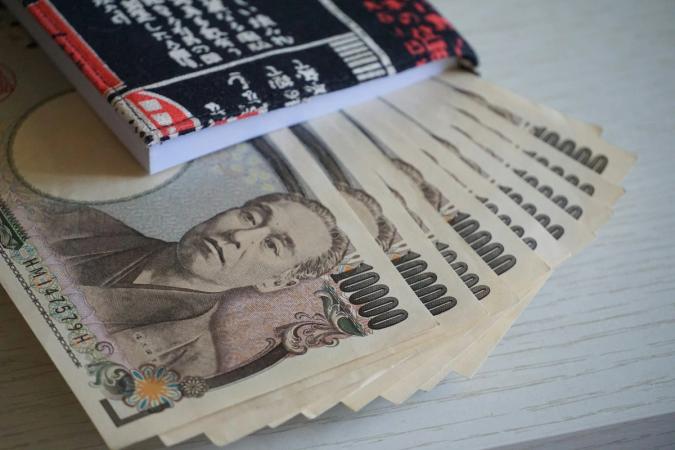
Japan’s Top Yen Stablecoin Misses Its First‑Year Goal
Japan’s flagship yen‑backed stablecoin, JPYC, has struggled to meet the ambitious circulation targets set by its issuer. After twelve months on the market, only about 3.2 billion yen (roughly $20 million) is actively circulating, far short of the 12.1 billion yen issued. The shortfall highlights structural challenges in Japan’s stablecoin ecosystem, from regulatory limits to corporate adoption hurdles.
Why Circulation Fell Short
- Transaction caps – A 1 million‑yen per‑transaction ceiling imposed by Japan’s Type II funds‑transfer rules has throttled the speed at which businesses can move large sums. Although the cap was softened in May to allow 1 million yen per request rather than per day, the restriction still hampers rapid, high‑value transfers.
- Corporate onboarding friction – Companies such as software firm Asteria, which intends to hold 1 billion yen in JPYC, must accumulate the token in incremental installments because of the cap. This slows balance‑sheet integration and reduces the incentive for firms to adopt the stablecoin at scale.
- Redemption dynamics – A portion of the issued tokens has already been redeemed, shrinking the net circulating supply. The model relies on interest earned from the underlying bank deposits and Japanese government bonds, so fewer tokens in circulation directly curtails revenue potential.
The Bright Spots: Partnerships and Market Activity
Despite the overall underperformance, JPYC has secured several notable collaborations that could lay groundwork for future growth:
- AZ‑COM Maruwa – In July, the logistics company signed an alliance to develop JPYC‑based payments for roughly 2,300 of its business partners.
- SBJ Bank & LINE NEXT – Both institutions are testing bank‑linked stablecoin wallet top‑ups, a pilot that could streamline on‑ramp experiences for retail and corporate users.
- Upbit listing – When South Korean exchange Upbit listed JPYC in September, circulation briefly spiked to 4.2 billion yen, and a surge of arbitrage activity reportedly moved about 35 billion yen across Upbit and Uniswap in a single day. The spike was short‑lived, but it demonstrated latent demand when market conditions align.
Regulatory Landscape and Outlook
The Financial Services Agency (FSA) is currently reviewing stablecoin regulations, with a more detailed roadmap expected in early 2027. Clearer guidance could address the transaction‑limit issue and provide a more predictable environment for corporate users.
CEO Noritaka Okabe remains optimistic, targeting a ten‑fold increase in circulation for JPYC’s second year—aiming for tens of billions of yen in active supply. Achieving that ambition will likely depend on:
- Regulatory adjustments that relax or eliminate per‑transaction caps for qualified corporate participants.
- Scaling existing partnerships into full‑scale rollouts rather than pilot phases.
- Broader market exposure through additional listings on domestic and regional exchanges.
Practical Takeaways
- Investors should monitor FSA policy updates, as regulatory clarity could unlock significant upside for JPYC and other Japanese stablecoins.
- Corporations considering stablecoin adoption need to factor in current transaction limits and plan for incremental onboarding strategies.
- Developers and fintechs can leverage JPYC’s existing partnerships as case studies for building compliant, high‑volume payment solutions in Japan’s evolving digital‑currency landscape.
While JPYC’s first year fell short of expectations, the combination of strategic alliances and a pending regulatory framework suggests that the stablecoin’s long‑term trajectory remains open to substantial growth.
Source
Read original sourceWhy we picked this
Stablecoin performance and regulatory context provide meaningful ecosystem news.