International Law Enforcement Seizes Domain of Virtualine Bulletproof Hosting Service
International law enforcement, aided by Chainalysis and other partners, seized the virtualine.net domain, disrupting a bullet‑proof hosting service that facilitated ransomware, fraud, and illicit content through crypto payments.
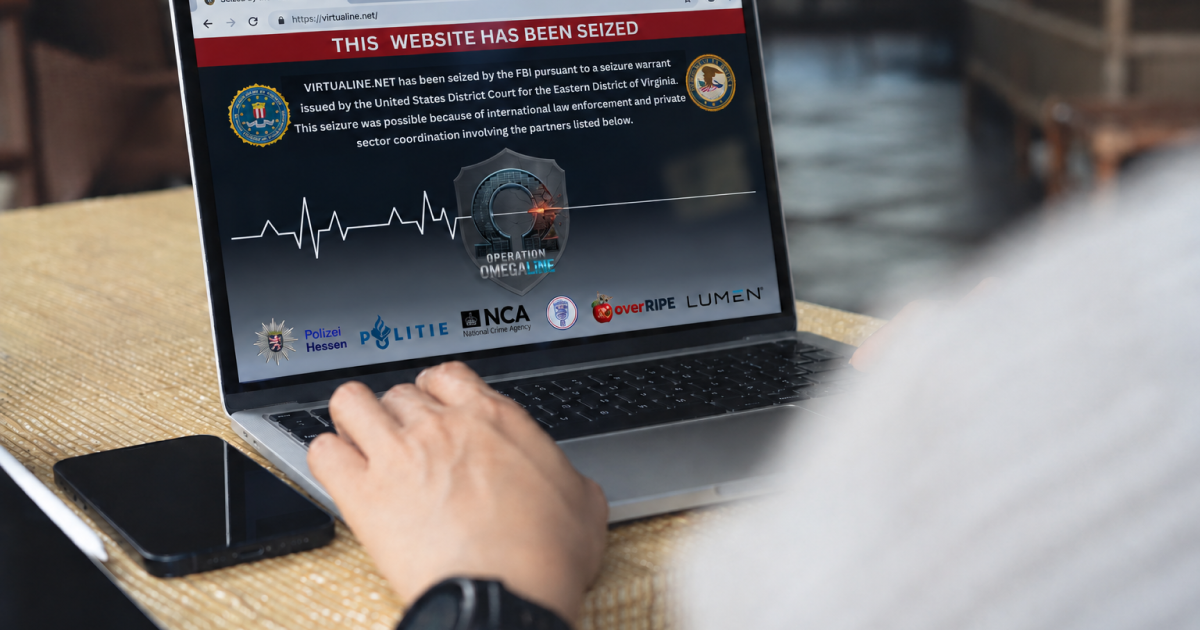
International Law Enforcement Seizes Virtualine Bulletproof Hosting Domain
Summary: On October 27, 2026, the FBI Washington Field Office, in coordination with U.S. and European authorities and private‑sector partners such as Chainalysis and OverRIPE, obtained a court order to seize virtualine.net. The domain belonged to Virtualine, a bullet‑proof hosting (BPH) provider that openly marketed its services to cyber‑criminals and used unhosted Bitcoin wallets to receive and launder illicit payments.
---
What is Bullet‑Proof Hosting?
Bullet‑proof hosting services deliberately ignore abuse complaints, DMCA takedown notices, and law‑enforcement requests. By operating from offshore jurisdictions with minimal oversight, they provide persistent infrastructure for a range of criminal activities, including:
- Ransomware command‑and‑control servers
- Phishing kits and malware distribution
- Carding and credential‑theft forums
- Illicit marketplaces and scam operations
- Distribution of child sexual abuse material (CSAM)
Virtualine—also known under aliases such as Secury, Massgod, Spamhouse, Lanedo, and Omegatech—advertised these capabilities on forums like Exploit.in and HackForums, explicitly stating that its services could be used for “all illegal/black‑hat activities” except for child content and terrorism.
---
How Cryptocurrency Fueled the Operation
Virtualine accepted direct Bitcoin payments through unhosted wallet addresses. This arrangement bypassed the compliance checks that regulated exchanges apply to on‑ramp transactions, allowing criminal customers to fund their infrastructure anonymously. Chainalysis’ on‑chain analysis linked Virtualine’s wallet cluster to:
- Multiple ransomware operators
- Infostealer infrastructure
- Russian‑language cybercrime forums
- Illicit online shops and scam addresses
The on‑chain footprint demonstrated a single hosting provider acting as a hub that connected disparate criminal ecosystems, with crypto serving as the common settlement layer.
---
The International Investigation
The seizure was the result of a coordinated effort involving:
- U.S. agencies: FBI Washington Field Office and the U.S. Attorney’s Office for the Eastern District of Virginia
- European partners: Germany’s Polizei Hessen, the Netherlands’ Politie Midden‑Nederland, and the U.K.’s National Crime Agency
- Private‑sector contributors: Chainalysis (providing blockchain intelligence) and OverRIPE (a coalition of security researchers focused on malicious hosting)
Together, these groups mapped Virtualine’s infrastructure, traced the flow of illicit funds, and built a legal case that culminated in the court‑authorized domain seizure.
---
Implications for Crypto Compliance Teams
The Virtualine takedown highlights several actionable insights for compliance professionals:
- Payment address monitoring: Exposure to known BPH wallet addresses should trigger heightened scrutiny, as these wallets often intersect with ransomware, fraud, and CSAM flows.
- Real‑time risk scoring: Integrating blockchain risk‑scoring tools (e.g., Chainalysis Reactor) can surface downstream connections that traditional AML screens might miss.
- Cross‑industry collaboration: Partnerships with law‑enforcement and security researchers improve visibility into emerging threat vectors and enable faster response.
- Policy alignment: Organizations should align internal sanctions and screening policies with emerging guidance on bullet‑proof hosting risks.
By treating BPH payment addresses as early warning signals, compliance teams can better anticipate downstream exposure and mitigate regulatory risk.
---
Frequently Asked Questions
What was Virtualine’s primary business model? Virtualine offered offshore web, cloud, and server hosting while openly ignoring abuse reports and law‑enforcement requests. It marketed these services directly to cyber‑criminals.
How did cryptocurrency facilitate its operations? The provider used unhosted Bitcoin wallets to receive payments, allowing customers to bypass exchange‑level compliance checks. Subsequent laundering obscured the funds’ origins.
What steps should organizations take now? Monitor for transactions involving flagged BPH addresses, employ blockchain analytics for risk assessment, and stay informed about law‑enforcement actions targeting similar infrastructure.
---
Conclusion The seizure of virtualine.net underscores the critical role that bullet‑proof hosting plays in sustaining the global cybercrime economy. By leveraging blockchain intelligence and international cooperation, law‑enforcement agencies can disrupt these foundational services. For the broader crypto ecosystem, the case serves as a reminder that payment‑address vigilance and proactive risk analytics are essential tools in the fight against illicit finance.
Source
Read original sourceWhy we picked this
Verified law‑enforcement action against a bulletproof hosting service, a security incident.