Heatbit's $899 Water Heater Element Mines Bitcoin While It Heats Your Tank
Heatbit’s $899 Bitwater element lets homeowners mine Bitcoin while heating water, offering modest daily earnings with a DIY install for standard electric tanks.
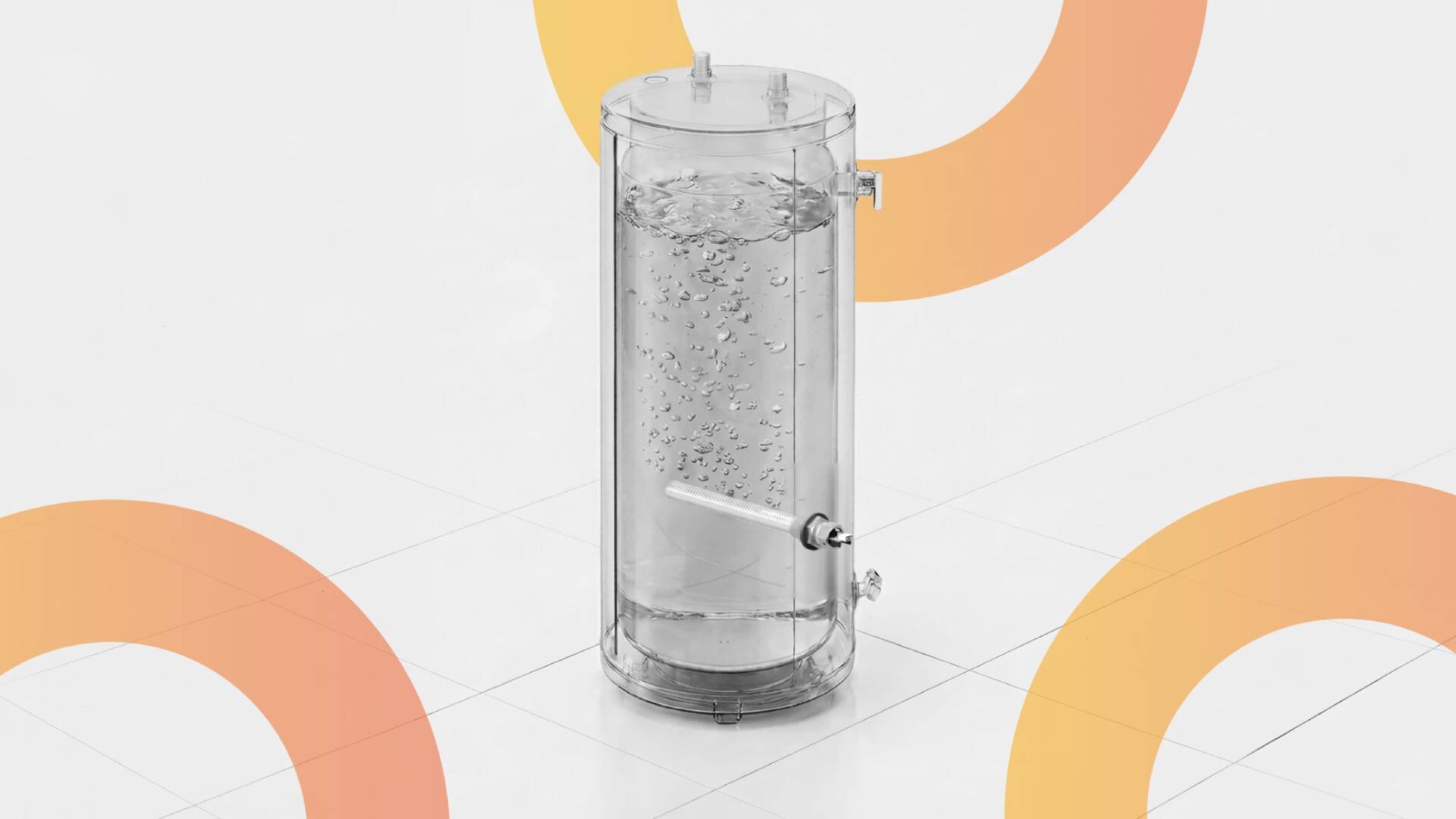
Heatbit’s Bitwater: Mining Bitcoin While Heating Your Water
Heatbit, known for its space‑heater‑with‑built‑in‑miner, has expanded its product line with Bitwater, a water‑heater element that swaps a tank’s traditional resistance wire for 20 Bitcoin mining chips. Priced at $899 for the first “Genesis” batch (later batches up to $1,299), the device promises to generate Bitcoin using the same electricity that would otherwise heat water.
---
How Bitwater Works
- Hardware: The element incorporates 20 Bitmain BM1370 ASIC chips, delivering up to 34 TH/s while drawing a maximum of 600 W. This translates to an efficiency of roughly 12 J/TH.
- Thermal Management: The surrounding water acts as a natural coolant, eliminating the need for fans and keeping the unit silent.
- Installation: Designed for DIY installation, users turn off the breaker, drain the tank, unscrew the existing element, and thread in Bitwater using the supplied wrench. It fits the standard 1‑inch port on 30‑ to 80‑gallon electric tanks common in the U.S. and Canada (brands such as A. O. Smith, Rheem, Bradford White, Whirlpool, and GE). No additional plumbing or circuit upgrades are required.
- Operation: At 600 W, Bitwater consumes far less power than typical 4,500‑W tank elements. It runs continuously at a lower heat output, complementing the tank’s upper element for peak‑demand periods.
---
Expected Earnings
Heatbit cites a hash‑price of about $36.73 per PH/s per day (per the Hashrate Index). At full capacity (34 TH/s), the element would mine roughly $1.25 worth of Bitcoin per day, or ≈ $455 annually. The company claims the unit can operate over 80 % of the time, so real‑world earnings will vary with Bitcoin’s price, network difficulty, and the user’s chosen mining mode (solo or pool). An xAI‑powered chatbot estimate of $1‑$1.25 per day aligns with these calculations.
---
The Bigger Picture: Home‑Based Decentralized Mining
Heatbit frames Bitwater as a response to the centralization of Bitcoin mining in large‑scale data centers, many of which are now pivoting toward AI workloads. The company notes that global residential water‑heating consumes roughly 300 TWh per year, compared with ≈ 170 TWh used by the entire Bitcoin network. By repurposing existing household electricity for mining, Heatbit argues that homeowners can contribute to a more geographically distributed hash‑rate without increasing overall power demand.
The narrative positions Bitwater as a “physically decentralized” solution that runs regardless of grid conditions, contrasting with AI‑focused miners that require constant power. While the earnings are modest, the model emphasizes resilience and independence: miners answer to no central authority, and the heat generated is already a necessary by‑product of water heating.
---
Practical Considerations
- Cost vs. Return: At $899‑$1,299, the payback period—assuming $455 annual earnings—ranges from 2 to 3 years, not accounting for electricity rates or potential hardware failures.
- Electricity Rates: Users in regions with high residential electricity costs may see lower net profits, while those with cheaper rates could achieve a quicker break‑even.
- Maintenance: The element’s design eliminates moving parts, but ASIC chips have a finite lifespan. Heatbit has not disclosed warranty terms or expected chip longevity.
- Regulatory Landscape: Home mining may be subject to local utility policies or building codes. Prospective buyers should verify compliance before installation.
---
Bottom Line
Heatbit’s Bitwater offers an intriguing blend of utility and crypto mining, turning a routine household task into a modest source of Bitcoin. The device is straightforward to install, runs silently, and leverages existing electricity consumption rather than adding new demand. However, the financial upside is limited—roughly a dollar a day—so the proposition appeals most to enthusiasts who value decentralization and the novelty of earning crypto while taking a shower. For those focused on pure profitability, traditional mining rigs or staking solutions remain more lucrative, but Bitwater carves out a niche for “heat‑plus‑hash” home mining.
---
Heatbit expects the first shipments in Q1 2027, with pre‑orders refundable until then. Interested readers should monitor the company’s official channels for updates on pricing, warranty, and regional availability.
Source
Read original sourceWhy we picked this
Concrete product launch of Bitcoin-mining water heater with verifiable specs.