DWF Labs subsidiaries sue BitGo for $141 million over alleged token lock-up breach
DWF Labs subsidiaries sue BitGo for $141 million, claiming the custodian breached token lock‑up terms by selling Falcon Finance and ESPORTS early, causing price drops and losses.
DWF Labs Subsidiaries Take BitGo to Court Over Token Lock‑Up Breach
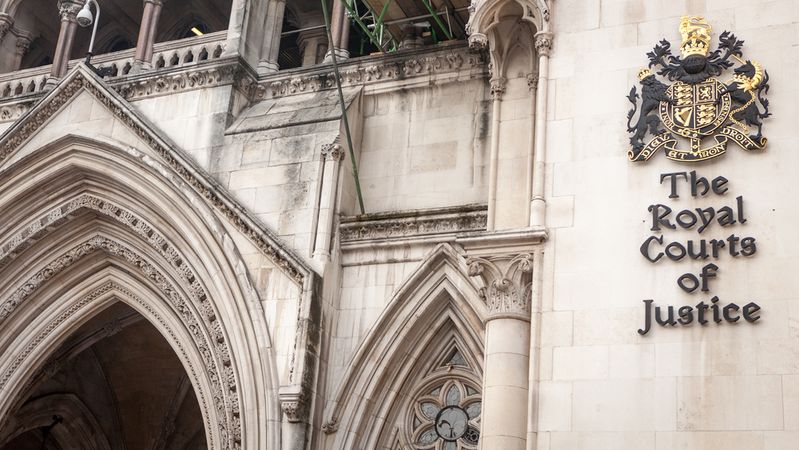
In a high‑profile lawsuit filed in London’s High Court, two investment arms of market‑maker DWF Labs—DWF Maas and Falcon Digital—are suing cryptocurrency custodian BitGo for $141 million. The claim centers on BitGo’s alleged early sale of two private‑token offerings, Falcon Finance (FF) and ESPORTS, which the plaintiffs say violated agreed lock‑up periods and caused the tokens’ prices to tumble.
The Facts of the Dispute
- Token Sale Structure: DWF Maas and Falcon Digital agreed to sell FF at $0.1061 and ESPORTS at a discount to BitGo. Both sales were subject to a three‑month lock‑up period, a common practice to prevent immediate dumping and protect token value.
- Early Sales: BitGo reportedly moved the tokens to exchanges roughly two months before the lock‑up expired. FF fell from 8 ¢ at the start of the lock‑up to about 7 ¢ by late April, while ESPORTS dropped from roughly 28 ¢ in mid‑March to 7 ¢ in early June.
- Damages Sought: DWF claims the premature sales caused direct losses, seeking $114 million in damages. The lawsuit also seeks an additional $27 million in punitive damages, bringing the total to $141 million.
- Prior Negotiations: DWF says it raised the issue with BitGo in April and May, but BitGo failed to provide an undertaking to halt the sales, prompting the legal action.
Why This Matters for the Crypto Ecosystem
- Contractual Integrity: Private token sales rely heavily on trust and clear contractual terms. A breach of lock‑up periods undermines confidence in custodial services and could deter future issuers.
- Price Stability: Early token releases can create volatility. If custodians are seen as willing to break agreements for short‑term gains, market participants may demand stricter oversight.
- Regulatory Scrutiny: The case highlights the growing intersection of crypto law and traditional legal frameworks. Courts will likely examine whether custodians can be held liable for contractual breaches in the digital asset space.
- Investor Protection: DWF’s lawsuit underscores the need for robust due diligence. Investors must verify that custodians honor lock‑up terms and that any discounts are truly conditional on compliance.
Potential Outcomes and Industry Implications
- Legal Precedent: A ruling in favor of DWF could set a precedent for holding custodians accountable for token sale breaches, potentially leading to tighter contractual language and enforcement mechanisms.
- Custodian Practices: BitGo and other custodians may review their internal controls, ensuring that token listings align strictly with contractual timelines.
- Market Confidence: A swift resolution—whether through settlement or court judgment—will be closely watched. A settlement could provide a quick fix but may leave lingering questions about systemic safeguards.
- Regulatory Response: Regulators might use the case to craft clearer guidelines around custodial responsibilities, especially for private token offerings.
Practical Takeaways for Investors and Issuers
- Scrutinize Custodian Agreements: Ensure lock‑up terms are explicit and enforceable. Consider including penalties for early release.
- Monitor Token Listings: Track when tokens go live on exchanges. Early listings can signal potential breaches.
- Diversify Custodial Partners: Relying on a single custodian can expose you to significant risk. Multiple custodians can provide a safety net.
- Stay Informed on Legal Developments: Follow court decisions in similar cases to gauge evolving legal expectations for custodial conduct.
Closing Thoughts
The DWF‑BitGo lawsuit is a stark reminder that the crypto industry, while innovative, still operates within the bounds of traditional contract law. As custodians and issuers navigate the complex landscape of token sales, the need for clear, enforceable agreements—and the willingness to hold parties accountable—has never been greater.
TL;DR: DWF Labs subsidiaries are suing BitGo for $141 million, alleging the custodian breached token lock‑up terms by selling Falcon Finance and ESPORTS early, which caused price drops and significant losses. The case could set a legal precedent for custodial accountability in private token sales.
Source
Read original sourceWhy we picked this
DWF lawsuit over token lock-up, meaningful ecosystem news.