Bitcoin miners' move into AI is creating a new market for trading computing power
Bitcoin miners are turning their massive electricity‑rich facilities into AI compute farms, and firms like Luxor are building a market for trading that power.
Introduction
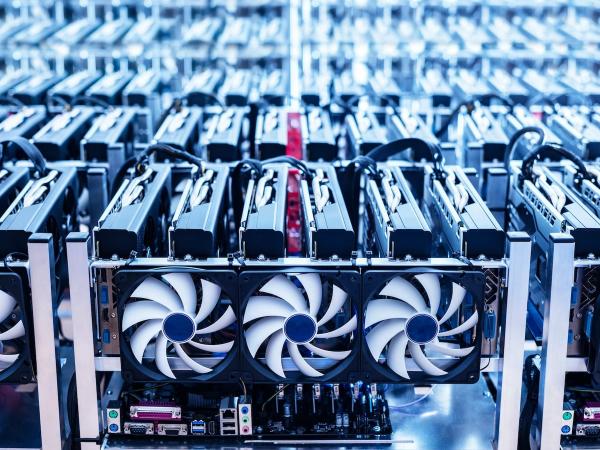
Bitcoin mining operations sit on some of the world’s most power‑intensive infrastructure. As the profitability of pure mining wanes and AI demand soars, many miners are repurposing their sites to sell compute capacity. Luxor Technology’s recent $16 million raise to expand its AI‑hardware brokerage and compute‑trading platform illustrates how a new market for pre‑priced, tradable computing power is emerging.
From Mining to AI Compute
Mining farms already have three critical assets for AI workloads: abundant electricity, high‑capacity fiber connectivity, and large‑scale cooling systems. Luxor’s assessment of over half a gigawatt of miner capacity found that most sites could support AI workloads without major upgrades to power or networking, though dedicated data‑center construction would be needed to house GPU‑dense servers.
Publicly listed miners have collectively signed more than $70 billion in AI and high‑performance‑computing contracts, signaling a rapid shift from proof‑of‑work revenue to service‑based income. Companies such as Canaan and MicroBT, traditional ASIC manufacturers, are also investing in this transition, underscoring the industry‑wide pivot.
Trading Computing Power Like a Commodity
Luxor’s platform adds a financial‑layer to the emerging compute market. By offering privately negotiated contracts that lock in future compute prices, buyers can hedge against volatile hardware costs and energy price swings—much like miners hedge against Bitcoin price fluctuations. The firm has also launched a daily price index for Nvidia AI server systems, giving market participants a transparent reference point.
This approach mirrors commodity trading: participants agree on a quantity of compute (e.g., GPU‑hours) and a price for delivery at a future date. Such contracts can smooth budgeting for AI startups, cloud providers, and enterprises that need burst capacity without committing to capital expenditures.
Challenges and Outlook
While the economics are promising, several hurdles remain:
- Infrastructure upgrades: Converting mining rigs into AI‑ready data centers requires significant capital for rack space, cooling, and security.
- Price transparency: Hardware pricing can be opaque, especially for custom AI servers. Indexes help, but broader data collection is needed.
- Regulatory clarity: As compute trading becomes more financial in nature, regulators may scrutinize contract structures and market manipulation risks.
Despite these challenges, the convergence of cheap electricity, existing fiber backbones, and soaring AI demand creates a fertile environment for a compute‑trading market. As more miners diversify, we can expect a growing ecosystem of brokers, index providers, and financial products built around the price of raw compute.
Practical Takeaway
For investors and enterprises alike, the key signal is clear: compute power is evolving into a tradable asset class. Companies that can reliably package, price, and deliver GPU‑hour contracts will capture a share of the multi‑billion‑dollar AI spend that is currently being funneled into traditional cloud providers. Monitoring the development of price indexes, contract volumes, and infrastructure upgrades will provide early insight into which players are poised to dominate this nascent market.
Source
Read original sourceWhy we picked this
Funding and strategic shift of Bitcoin miners into AI hardware offers concrete product launch and market development evidence.