After the Ledger Reseller Hack, Austin Campbell Says Self-Custody Users Should Be ‘Over-Solving for Simplicity’
Austin Campbell advises self‑custody users to favor ultra‑simple, auditable setups after the Ledger reseller hack, while co‑host Chris Perkins notes intermediaries can still have a role.
Introduction
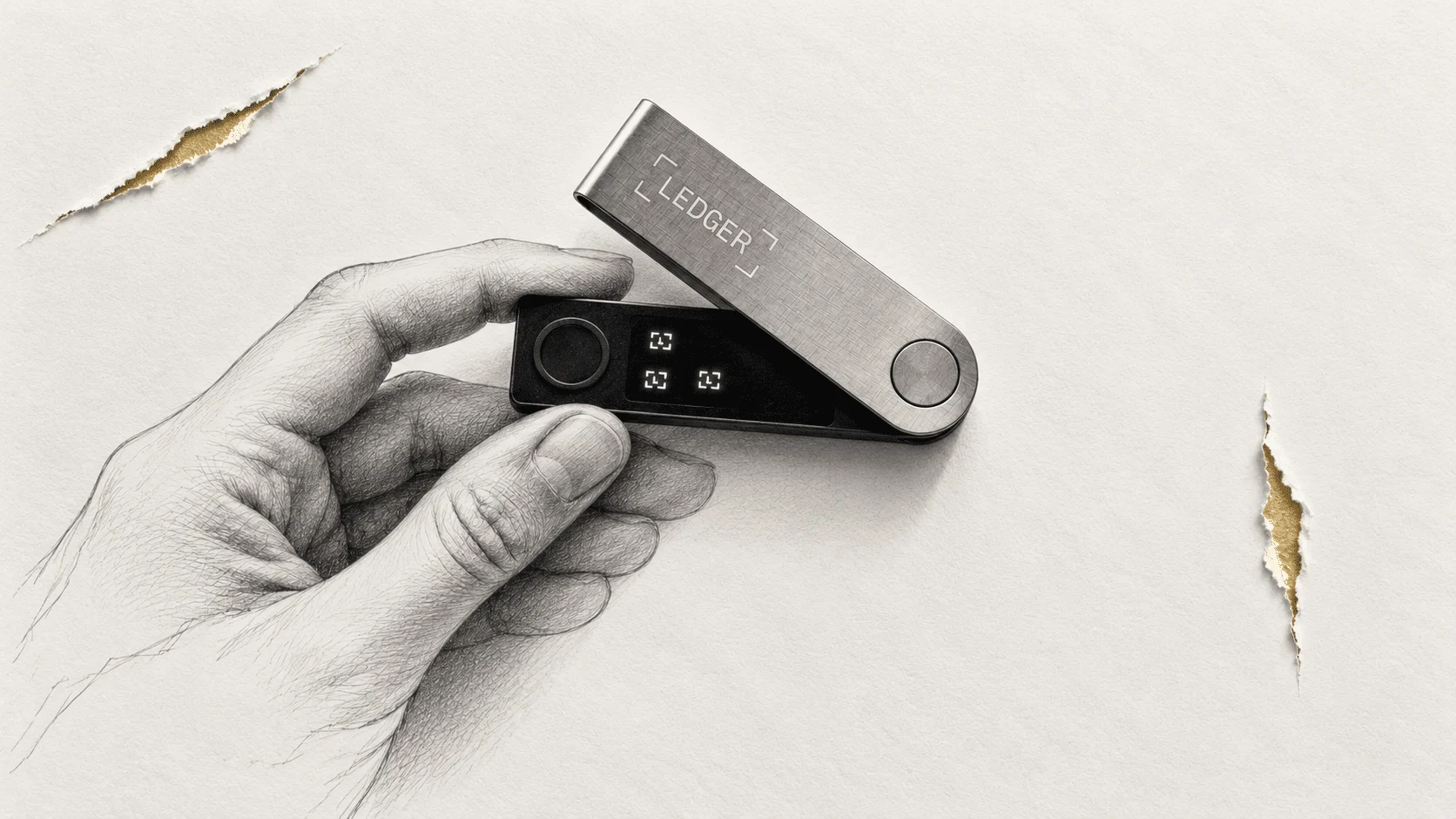
The recent Ledger reseller breach, which affected devices sold through CryptoBilis in Southeast Asia, has reignited the debate over how individuals should protect their own crypto assets. On the Bits + Bips podcast, Austin Campbell—founder of Zero Knowledge Group—argued that the incident highlights a fundamental misunderstanding of information security among self‑custody users. He urged a shift toward “over‑solving for simplicity.” Co‑host Chris Perkins offered a complementary perspective, suggesting that while intermediaries are not strictly necessary, they may still be desirable for many users.
Why Complex Set‑ups Fail
Campbell pointed out that many self‑custody solutions rely on a chain of components that users cannot fully vet: third‑party vendors, proprietary hardware, and opaque firmware. When a hardware wallet is sourced from an untrusted reseller, the risk of tampering—such as the unauthorized hardware implant Ledger confirmed—rises dramatically. In such scenarios, users are forced to trust a black box they cannot open or examine, which defeats the core premise of self‑custody.
A Simpler Thought Experiment
Campbell illustrated his point with a hypothetical configuration:
- A hot wallet whose private key is written down on paper.
- The paper is stored in a fully encrypted password manager.
- The key is never used to sign a transaction directly.
In this model, there is no reliance on external hardware or firmware, and the attack surface is dramatically reduced. Campbell emphasized that security is a function of time and verification ability: individuals have limited resources to audit complex devices, so they should deliberately choose the simplest, most transparent approach possible.
The Role of Intermediaries
Chris Perkins, head of Franklin Crypto, offered a nuanced counterpoint. He acknowledged the difficulty of managing personal wealth in a decentralized environment, especially for users who lack technical expertise. While he agreed that trust cannot be eliminated entirely, he argued that trusted intermediaries can provide a safety net for those who are vulnerable.
“Intermediaries should not be necessary, but they may be wanted,” Perkins said.
Perkins’ stance reflects a pragmatic view: for many, a reputable custodian or service can mitigate risk without sacrificing the benefits of decentralized finance. However, he also warned that the current ecosystem is at a “max security vulnerability,” underscoring the need for broader systemic improvements.
Practical Takeaways for Self‑Custody Users
- Vet Your Hardware: Purchase devices directly from manufacturers or authorized distributors. Avoid resellers whose supply chains are opaque.
- Prioritize Auditable Solutions: Use open‑source wallets or setups where you can inspect the code and hardware.
- Limit Dependencies: Reduce the number of moving parts—avoid layering multiple services (e.g., hardware wallet + cloud backup + third‑party app) unless each is thoroughly vetted.
- Consider Hybrid Models: For larger holdings, a combination of a simple hot wallet for daily use and a trusted custodian for long‑term storage can balance security and convenience.
- Stay Informed: Follow reputable news sources and community alerts to react quickly to emerging threats.
Conclusion
The Ledger reseller hack serves as a cautionary tale about the perils of over‑engineered self‑custody solutions built on unverified components. Austin Campbell’s call to “over‑solve for simplicity” encourages users to strip away unnecessary complexity, while Chris Perkins reminds us that trusted intermediaries still have a place for those who need additional safeguards. By adopting straightforward, transparent practices and staying vigilant, crypto holders can better protect their assets in an increasingly hostile landscape.
Source
Read original sourceWhy we picked this
Discusses a real security incident and self‑custody practices, valuable for builders and operators.